
How to Define Normal Anion Gap Metabolic Acidosis?
A normal anion gap metabolic acidosis is a type of metabolic acidosis in which the anion gap remains within the expected range even though the blood has become more acidotic. It is also called hyperchloremic acidosis or non-anion gap acidosis. The main lab feature is a decreased serum bicarbonate level, because bicarbonate is being depleted faster than the body can replace it.
This acid-base disorder is usually recognized during a laboratory evaluation of symptoms such as tiredness, weakness, rapid breathing, or signs of volume depletion. Rather than a buildup of unmeasured acids, the issue is often a bicarbonate loss or a problem with acid handling by the kidneys. That makes the clinical presentation and the differential diagnosis especially useful.
The basic idea is easy to understand: the body tries to preserve acid-base balance by keeping electrical charge in check while adjusting serum electrolytes. When bicarbonate falls, another negatively charged ion, usually chloride, rises to maintain balance. That is why the anion gap stays normal even though acidosis is present.
How Does the Anion Gap Kept Normal?
The anion gap shows the relationship among major serum electrolytes, especially sodium, potassium, chloride, and bicarbonate. In normal anion gap metabolic acidosis, the fall in bicarbonate is paired by a gain in chloride. This maintains electroneutrality, meaning the overall charge in the bloodstream stays balanced.
That shift is why the condition is called hyperchloremic acidosis. The body is not introducing large amounts of hidden acids; instead, it is managing bicarbonate loss or reduced bicarbonate recovery. The result is a bicarbonate deficit with adaptive chloride retention or increase.
This pattern is distinct from high anion gap acidosis, where unmeasured acids accumulate. Here, the problem is usually a base loss process, a kidney problem affecting renal acid handling, or both. Understanding this mechanism helps sharpen the differential diagnosis quickly.
The body also produces a compensatory response through breathing, which may lower carbon dioxide. But respiratory compensation cannot correct the underlying electrolyte imbalance. The real answer depends on identifying whether the source is gastrointestinal, renal, medication-related, or related to normal saline exposure.
What Causes Normal Anion Gap Metabolic Acidosis?
The leading reasons involve bicarbonate loss from the gut or reduced ability of the kidneys to make urine acidic and retain bicarbonate. Diarrhea is a typical cause because it directly removes bicarbonate-rich fluid from the gastrointestinal tract. Another important group is renal tubular acidosis, where the kidneys cannot handle acid normally despite relatively preserved or only mildly reduced overall kidney function.
Gastrointestinal bicarbonate loss is one of the key mechanisms to understand. Stool losses can produce a classic non-anion gap acidosis, especially when symptoms are continuing. On the kidney side, different forms of renal tubular acidosis create distinctive patterns of urine pH and urine anion gap results.
Medication and treatment effects are also common. Acetazolamide decreases bicarbonate reabsorption, while amphotericin B can affect renal tubules. Large-volume saline infusion or saline administration can reduce bicarbonate concentration and boost chloride, creating a lab picture that looks like true bicarbonate loss.
Gastrointestinal Causes
Diarrhea is the standard gastrointestinal cause of normal anion gap metabolic acidosis. Repeated stool output leads to bicarbonate loss, which lowers serum bicarbonate and leaves the bloodstream relatively rich in chloride. The result is hyperchloremia with acidosis.
Other gastrointestinal sources include an ileostomy and a pancreatic fistula. Both can produce fluid losses that contain bicarbonate, creating a similar pattern. These are important to consider when the patient has surgery in the recent past, drainage tubes, or high-output losses.
The practical clue is usually a history of fluid loss plus signs of volume depletion. If the body is losing base faster than it can replace it, the acid-base disorder can become apparent quickly. In these cases, the treatment focus is often on restoring fluids and correcting the underlying source of loss.
Renal-Related Causes
Tubular acidosis stands as one of the main kidney associated causes of normal anion gap metabolic acidosis. It reflects a problem in tubular acid secretion, reabsorption of bicarbonate, or both. These conditions can develop even when overall kidney clearance is not severely impaired.
Distal renal tubular acidosis develops when the time the distal nephron is unable to acidify urine as needed. Consequently, urine pH may remain too high despite the presence of systemic acidosis. This is a clue that urinary acidification is defective.
Proximal renal tubular acidosis develops when the kidney is unable to recover filtered bicarbonate efficiently. The consequence is bicarbonate wasting, especially initially in the early stage. This form can be associated with other generalized tubular disorders and may appear alongside broader electrolyte disturbances.
Type 4 renal tubular acidosis is frequently associated with reduced aldosterone effect, or insensitivity, which alters acid excretion and potassium balance. It often features hyperkalemia, which can set it apart from other forms. This is why evaluating potassium matters in the diagnostic workup.
Persistent kidney disease can also contribute, especially as tubular acid handling becomes impaired. Even though severe kidney failure often produces a elevated anion gap presentation https://anion-gap-calculator064.hexaforgey.com/posts/what-s-the-anion-gap-in-metabolic-acidosis down the line, less advanced disease may have a normal anion gap pattern. That makes careful interpretation essential.
Medicines and Toxins
Acetazolamide is a widely used drug reason because it inhibits carbonic anhydrase and increases bicarbonate loss in the urine. This creates a clear bicarbonate deficit and can lower serum bicarbonate enough to cause symptoms. It is a textbook example of drug-induced non-anion gap acidosis.
Amphotericin B may injure the kidney tubules and impair acid regulation, which may lead to distal tubular dysfunction. In other words the kidneys may fail to acidify urine properly, leading to continued acid buildup. Monitoring kidney function and electrolytes is important during care.
Ifosfamide is another medication associated with tubular injury and bicarbonate wasting. In patients receiving chemotherapy, a new electrolyte imbalance should prompt an evaluation of medication exposure. Drug history is often a central part of the diagnostic workup.
Saline infusion can also lead to or aggravate hyperchloremic acidosis. High volumes of normal saline add chloride relative to bicarbonate, shifting the serum electrolyte pattern toward acidosis. This is especially significant in patients who receive aggressive fluid resuscitation or repeated IV fluids.
How Can You Determine the Reason?
Diagnosis starts with verifying the acid-base disorder. An arterial blood gas helps reveal the pH, carbon dioxide, and degree of metabolic compensation. Serum chemistry then verifies the low serum bicarbonate and helps assess the pattern of sodium, chloride, and potassium.
Next, the clinician is to search for the source of base loss. A high serum chloride level clearly supports hyperchloremic acidosis. If there is a history of diarrhea, an ostomy, or another gastrointestinal loss, the cause may already be apparent.
If the cause is not obvious, urine testing becomes very helpful. The urine anion gap can help estimate whether the kidneys are appropriately excreting ammonium, which shows acid excretion. A negative urine anion gap often indicates an appropriate renal response, while a positive value can suggest renal tubular acidosis.
Urine pH offers another clue. In distal renal tubular acidosis, urine pH may remain too high even in the setting of systemic acidosis. Combined with the rest of the diagnostic workup, this helps separate kidney-related causes from gastrointestinal bicarbonate loss.
Medication review, fluid history, and kidney function testing finish the picture. In many cases, the right answer becomes clear only when lab data are matched with the patient’s clinical presentation.
At what time Do an Anion Gap Calculator Be Applied?
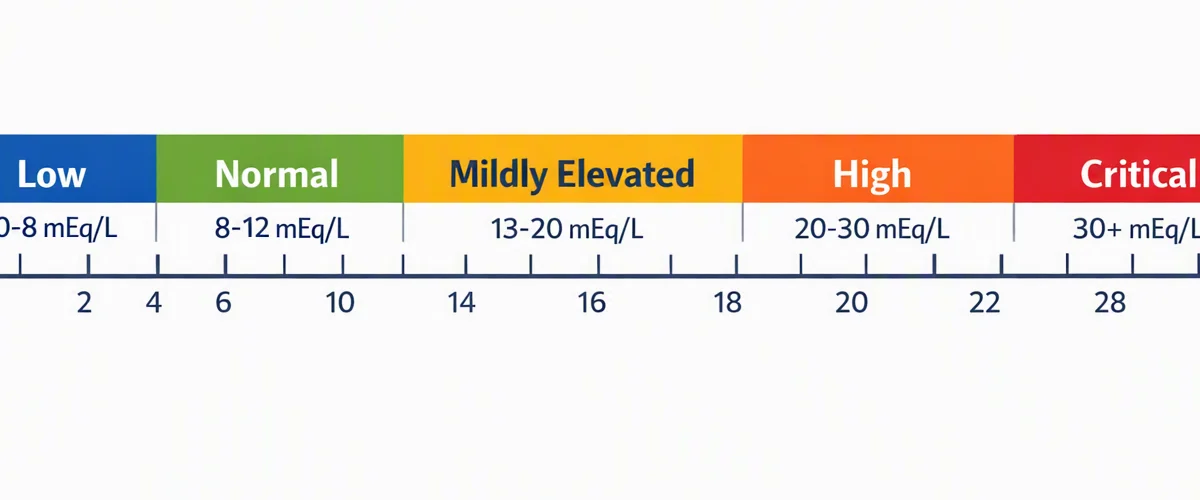
This Anion Gap Calculator can be helpful whenever you want to analyze acid-base findings promptly and precisely. It applies the anion gap formula to measured electrolytes and helps determine whether the pattern suggests a normal anion gap, a high anion gap, or a mixed disorder.
This is especially helpful when the lab picture is not simple. For example, a patient may have low bicarbonate but only mild symptoms, or the chloride pattern may be altered by IV fluids. In those cases, the calculator supports better lab interpretation.
One important point is albumin correction. Hypoalbuminemia can make the anion gap look falsely normal or low, which may mask another acid-base problem. Correcting for albumin helps avoid failing to detect a mixed disorder.
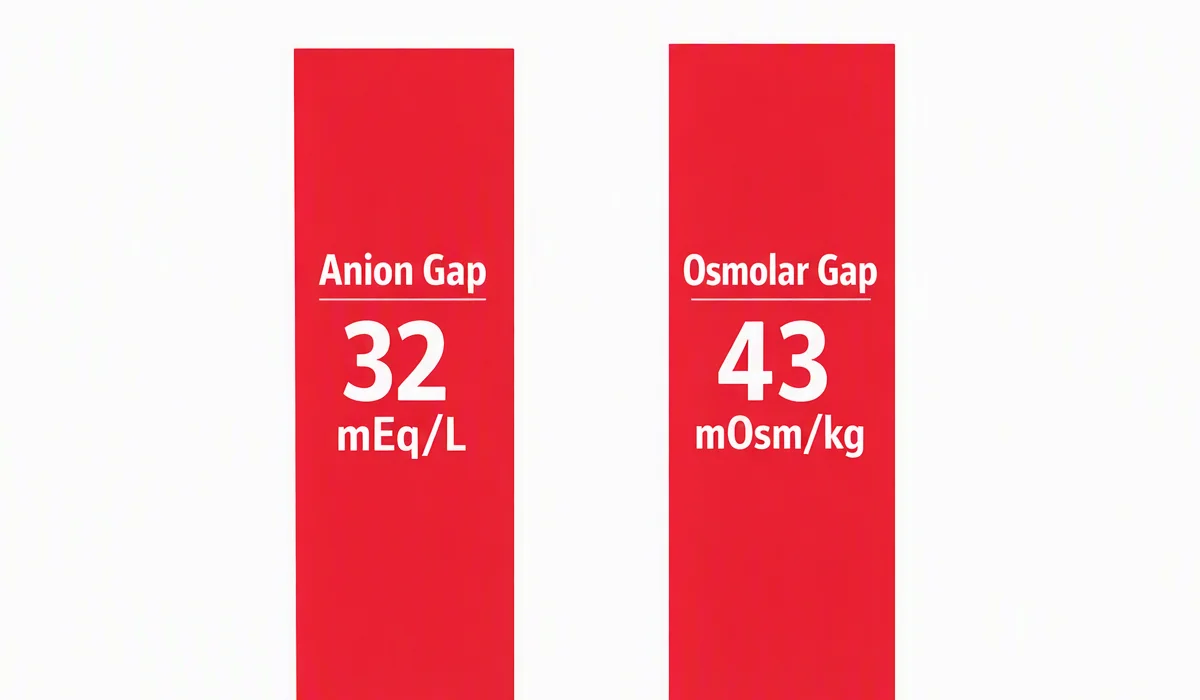
The calculator is not a substitute for clinical reasoning, but it is an efficient tool for early triage. If the numbers suggest normal anion gap metabolic acidosis, the next step is to look for gastrointestinal bicarbonate loss, renal tubular acidosis, medication effects, or saline-related changes.
How Is Treatment Managed?
Treatment depends on the cause, but the main principle is to resolve the root cause. If the acidosis is driven by diarrhea, reducing stool losses and restoring fluids to the patient are essential. If the cause is renal, management may focus on correcting the tubular problem and supporting kidney function.
Fluid therapy is often needed when there is fluid loss. However, the type of fluid matters because large amounts of 0.9% saline can worsen hyperchloremia. Clinicians often choose fluids carefully to avoid increasing the acidosis.
Alkali replacement may be appropriate in selected patients, especially when acidosis is marked or ongoing losses are large. This does not replace causal therapy, but it can support the pH while the underlying issue is addressed.
Electrolyte management is also important. Potassium, chloride, sodium, and magnesium may all need attention depending on the cause. Because acid-base disorders and electrolyte imbalance often occur together, treatment usually requires repeated monitoring and adjustment.
When Is Medical Evaluation Needed?
Medical evaluation is needed when there is severe acidosis, especially if the patient has shortness of breath, worsening weakness, or abnormal mental status. Severe acid-base disturbance can affect heart and brain function and should not be ignored.
Dehydration with persistent fluid loss, especially from heavy diarrhea or vomit-related fluid loss, also needs prompt attention. Rapid worsening can occur if the body cannot keep up with continued base loss and dehydration.
Concern for kidney failure makes the situation more serious further, since impaired kidney function can reduce acid excretion and complicate treatment. A patient with known kidney disease or changing urine output should be assessed quickly.
Confusion, lethargy, chest symptoms, or signs of poor perfusion are warning signs. These findings suggest the body is failing to compensate and that the acid-base disorder may be a serious concern.
FAQ
What is the most common cause of normal anion gap metabolic acidosis?
Diarrhea is one of the most common causes because it causes direct gastrointestinal bicarbonate loss. This loss decreases serum bicarbonate and produces a hyperchloremic acidosis pattern with a normal anion gap.
How does normal anion gap metabolic acidosis differ from high anion gap acidosis?
In normal anion gap metabolic acidosis, the problem is usually a loss of bicarbonate or impaired renal acid handling, so chloride increases to maintain electroneutrality. In high anion gap acidosis, unmeasured acids build up, so the anion gap formula shows an elevated gap rather than a normal one.
Can diarrhea lead to normal anion gap metabolic acidosis?
Yes. Diarrhea is a well-known cause because stool contains bicarbonate, and ongoing losses create a bicarbonate deficit. This is a common form of non-anion gap acidosis.
What urinary tests are helpful for finding the cause of normal anion gap metabolic acidosis?
The most useful urine tests are the urine anion gap and urine pH. Together, they help distinguish renal tubular acidosis from gastrointestinal bicarbonate loss and show whether the kidneys are responding appropriately with acid excretion and urinary acidification.
When is an Anion Gap Calculator used in acid-base evaluation?
An Anion Gap Calculator should be used whenever you are interpreting a low bicarbonate level or any suspected acid-base disorder. It helps with lab interpretation, supports recognition of mixed disorders, and can be paired with albumin correction for a more accurate assessment.